Understanding Utah Winters, Seasonal Depression, and Addiction
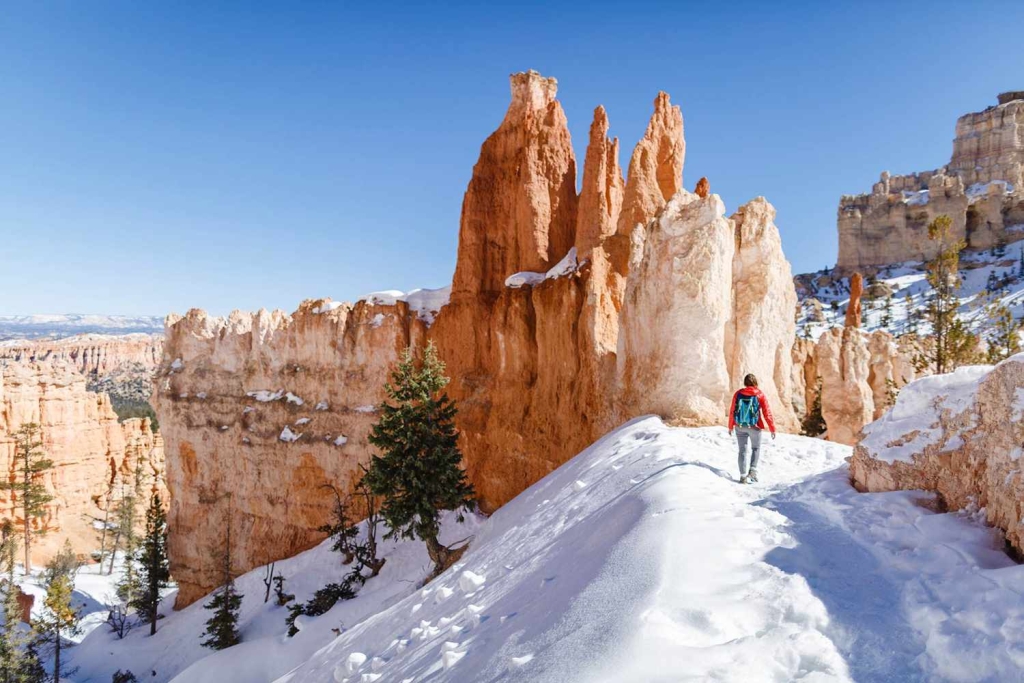
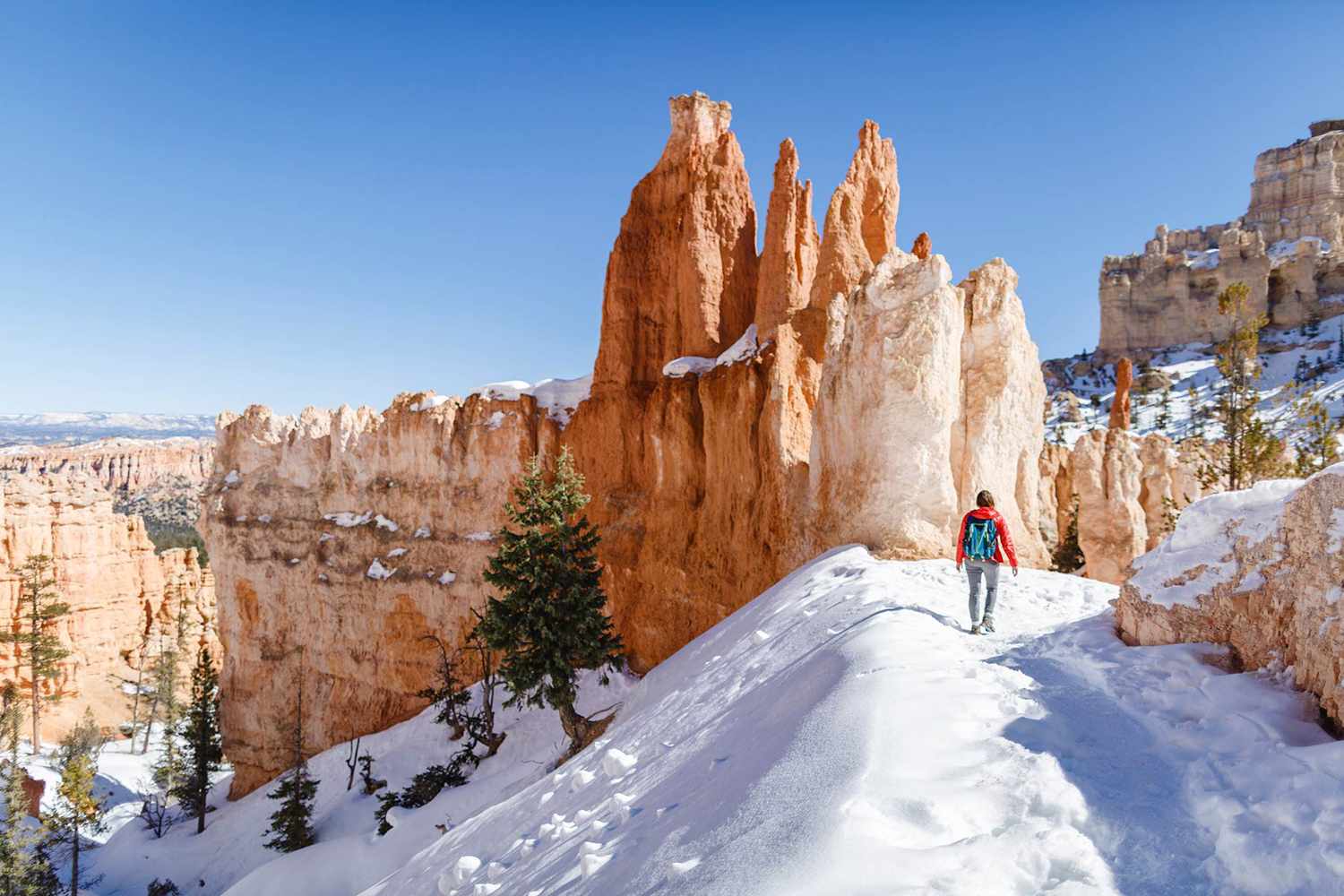
Utah winters are characterized by breathtaking scenery, outdoor recreational opportunities, and a distinct change in weather patterns. As winter casts its long shadow and temperatures drop, many individuals find themselves grappling with a particular type of melancholy that seems to accompany the season. The shorter days, colder temperatures, and limited sunlight can contribute to the onset of seasonal affective disorder (SAD) in many Utah residents.
As the state experiences an average of over 200 sunny days per year, the contrast of shorter daylight hours during the winter months can be particularly challenging for those susceptible to SAD. This disorder often exacerbates existing mental health challenges and can contribute to increased alcohol consumption as individuals seek relief from their symptoms. In order to avoid getting caught in a destructive cycle, it’s necessary to stay informed and know the options available for effective treatment strategies.
What Is Seasonal Affective Disorder Exactly?
Many Utahns find themselves grappling with unique challenges that accompany the season. In the midst of Utah’s stunning winter landscapes, individuals may also face the daunting reality of seasonal affective disorder (SAD) and its intersection with alcohol addiction. Seasonal affective disorder, commonly referred to as winter depression, is a subtype of major depressive disorder characterized by recurring depressive episodes that occur at the same time each year, typically during the fall and winter months. Symptoms of SAD often include:
- Persistent feelings of sadness or hopelessness
- Fatigue and lethargy
- Changes in appetite or weight
- Difficulty concentrating
- Withdrawal from social activities
- Increased irritability
The reduced exposure to natural sunlight during the winter months is believed to disrupt the body’s internal clock and neurotransmitter levels, leading to the onset of depressive symptoms in susceptible individuals.
Alcohol Abuse as Coping Mechanism for SAD During Utah Winters
In addition to the seasonal challenges of depression, Utah also grapples with alcohol addiction among its residents. Despite the state’s unique cultural and religious landscape, alcohol misuse remains a significant issue, with some studies indicating higher rates of binge drinking compared to national averages. For individuals already struggling with seasonal depression, alcohol may serve as a readily available but harmful coping mechanism, exacerbating mental health issues and leading to addiction.
For some individuals struggling with depression during the winter, alcohol may become a tempting coping mechanism to temporarily alleviate symptoms and numb emotional pain. However, what begins as occasional drinking to self-medicate can quickly spiral into alcohol addiction, further exacerbating mental health issues and creating a vicious cycle of dependence.
Alcohol consumption can initially provide a sense of relief and relaxation, as it temporarily dampens the brain’s stress response and produces feelings of euphoria. However, prolonged and excessive alcohol use disrupts the brain’s chemical balance, leading to tolerance, dependence, and ultimately addiction. Moreover, alcohol is a depressant that can worsen symptoms of depression over time, contributing to a worsening of mental health.
Treatment For Alcohol Addiction Tailored to Utah Winters
Addressing seasonal depression and alcohol addiction in the Utah context requires a tailored approach that considers both the environmental factors unique to the state and the cultural nuances of its population. Some specific strategies include:
- Outdoor Therapy: Leveraging Utah’s abundant natural beauty, outdoor therapy programs that incorporate activities such as hiking, skiing, or snowshoeing can provide therapeutic benefits for individuals struggling with seasonal depression. Connecting with nature and engaging in physical activity outdoors can help improve mood and alleviate symptoms of depression.
- Culturally Sensitive Counseling: Recognizing the influence of Utah’s cultural and religious landscape, mental health professionals in the state can provide culturally sensitive counseling that respects individual beliefs and values. This approach fosters a supportive therapeutic environment where individuals feel comfortable addressing their mental health concerns and seeking help for alcohol addiction.
- Community Support: Utah’s tight-knit communities offer a strong support network for individuals navigating mental health challenges and recovery from alcohol addiction. Engaging with local support groups, faith-based organizations, or community centers can provide invaluable encouragement, camaraderie, and resources for those on the path to healing.
Additional Treatment Strategies for Depression and Alcohol Addiction
Addressing depression and alcohol addiction during the winter months requires a comprehensive treatment approach that addresses both the underlying mental health issues and the substance use disorder. Some effective strategies include:
- Therapy: Cognitive-behavioral therapy (CBT) and other evidence-based therapeutic approaches can help individuals address negative thought patterns, develop healthier coping mechanisms, and learn skills to manage both depression and alcohol cravings.
- Support Groups: Participating in support groups such as Alcoholics Anonymous (AA) or seeking out peer support from others who have experienced similar challenges can provide invaluable encouragement, accountability, and guidance on the path to recovery.
- Dual Diagnosis Treatment: For individuals struggling with both depression and alcohol addiction, seeking out specialized dual diagnosis treatment programs that address both conditions concurrently can be highly beneficial. These programs offer integrated care that addresses the complex interplay between mental health and substance use disorders.
- Holistic Wellness Practices: Emphasizing holistic wellness practices such as yoga, meditation, and mindfulness can complement traditional treatment approaches for seasonal depression and alcohol addiction in Utah. These practices promote emotional balance, stress reduction, and overall well-being, supporting individuals in managing their mental health more effectively. The specialists at Pinnacle Recovery are trained in integrative, holistic practices to help supplement your clinical treatment program.
Getting the Help You Need This Winter
As Utahns embrace the beauty of winter in the Beehive State, it’s essential to acknowledge and address the unique mental health challenges that accompany the season. By recognizing the impact of seasonal depression and alcohol addiction and implementing tailored treatment strategies that leverage Utah’s natural beauty and community resources, individuals can find hope, healing, and resilience in the face of winter’s challenges.
Remember, support is available, and you don’t have to face these challenges alone. Whether seeking professional help, connecting with community resources, or engaging in outdoor therapy, there are pathways to wellness and recovery tailored to the unique context of Utah. To begin your healing process today, get in touch with a professional at Pinnacle Recovery.